Why Pet Cancer Surgery may prolong your pet’s quality of life
Wiki Article
The Significance of Early Detection: Insights From a Vet Oncologist
Early detection of cancer cells in pet dogs is an essential subject for pet owners and vet professionals alike. Veterinary oncologists highlight the importance of acknowledging refined indicators that might show significant wellness concerns. Typical signs and symptoms commonly go unnoticed up until they escalate. Recognizing these early indication and innovations in diagnostic techniques can make a substantial distinction. What steps can family pet proprietors require to improve their animals' opportunities of early diagnosis and far better therapy outcomes?Comprehending Cancer Cells in Family Pets: Typical Kinds and Signs
While several animal proprietors may not understand it, cancer is a substantial health problem affecting pets, much like it carries out in people. Usual types of cancer in pet dogs include lymphoma, mast cell tumors, osteosarcoma, and mammary growths. These malignancies can materialize in numerous methods, depending on their place and type. Signs and symptoms usually include unusual weight management, persistent vomiting, changes in hunger, or uncommon lumps and bumps. Family pets might additionally show sleepiness, problem breathing, or hesitation to exercise, which can suggest underlying health and wellness problems. Early signs can be subtle, making it necessary for animal owners to be observant of their pets' actions and physical problem. Comprehending these common types and connected signs and symptoms can equip owners to seek veterinary treatment without delay, potentially bring about earlier diagnosis and treatment alternatives. Identifying the indicators of cancer in pet dogs is a crucial step in the direction of enhancing their wellness and quality of life.The Duty of Veterinary Oncologists in Early Discovery
Veterinary oncologists play an important duty in the very early detection of cancer cells in pet dogs, as their specialized training outfits them with the abilities essential to recognize refined signs that might be forgotten by basic practitioners. They make use of a combination of clinical competence and advanced diagnostic devices to analyze patients extensively - Board Certified Veterinary Oncologist. By identifying early signs and symptoms and threat aspects, oncologists can assist pet proprietors toward timely interventions, enhancing the opportunities of effective treatmentMoreover, vet oncologists usually team up with general practitioners to develop screening methods tailored to particular types or age teams, enhancing the performance of very early detection efforts. They educate pet dog owners on the significance of routine examinations and awareness of adjustments in actions or physical problem. With these aggressive steps, vet oncologists significantly contribute to improving results for family pets diagnosed with cancer cells, stressing the essential nature of their function in vet health care.
Advancements in Diagnostic Techniques for Pet Dog Cancer
Improvements in diagnostic strategies have actually considerably enhanced the capability to identify cancer in family pets at earlier phases. Methods such as sophisticated imaging, including MRI and CT scans, offer thorough interior sights, enabling vets to determine growths that might not be apparent. In addition, the development of minimally intrusive procedures, such as fine needle aspirates and biopsies, allows exact tasting of tissues for histopathological examination with decreased stress for the pet.Arising molecular diagnostics, consisting of genetic screening and biomarker identification, are changing the landscape of vet oncology. These methods can determine specific cancer types and predict feedbacks to therapy, facilitating individualized treatment plans. Improvements in lab methods, such as liquid biopsies, are beginning to provide non-invasive alternatives for monitoring lump development and treatment effectiveness. Jointly, these advancements stand for a significant leap onward in veterinary medicine, emphasizing the critical duty of very early discovery in boosting end results for pets diagnosed with cancer cells.
How Animal Owners Can Acknowledge Caution Indications
Just how can pet owners become alert in identifying possible caution indications of cancer? Awareness of behavior and physical changes in pet dogs is necessary. Usual indicators consist of uncommon lethargy, anorexia nervosa, or sudden weight modifications. Pet dog proprietors need to additionally focus on relentless vomiting or diarrhea, which might signify underlying problems.Adjustments in the skin, such as lumps, bumps, or sores that do not heal, call for immediate veterinary focus. Furthermore, owners need to keep in mind changes in alcohol consumption routines, enhanced peeing, or difficulty in breathing. Unexplained hopping or discomfort may likewise be indications of more severe conditions.
Normal veterinary check-ups can assist identify these caution indications early. By maintaining a close observation of their animals' health and wellness and habits, proprietors can play a crucial function in very early discovery, potentially leading to much better outcomes need to cancer be identified. Identifying these indications might substantially affect a pet's top quality of life.
The Effect of Very Early Discovery on Treatment Outcomes
Early discovery of cancer in family pets plays an essential function in figuring out therapy outcomes, as it usually permits a wider variety of therapeutic alternatives. When cancer is detected in its beginning, vets can execute much less intrusive treatments, enhancing the probability of successful treatment. Early-stage cancers might likewise react better to chemotherapy or radiation, leading to boosted survival rates and overall top quality of life for the family pet.Additionally, prompt medical diagnosis promotes a more tailored treatment plan, aligning with the particular requirements of the pet. This can consist of customized medicine regimens or medical treatments that are much less aggressive. On the other hand, late-stage discovery typically leads to minimal choices, more hostile therapies, and poorer diagnoses. Subsequently, the relevance of very early discovery can not be overemphasized; it fundamentally modifies the trajectory of therapy, making it crucial for animal proprietors to remain attentive for any signs of illness in their cherished friends.
Frequently Asked Concerns

Just How Can Diet Influence Cancer Risk in Pets?
Diet significantly influences cancer danger in animals, as specific nutrients and food kinds can either hinder or promote tumor growth. A balanced, nutrient-rich diet may help in reducing the probability of creating cancer in pets.
Are Particular Breeds Much More Prone to Cancer?
Particular pet types, such as Golden Retrievers and Fighters, display greater cancer cells sensitivity because of hereditary predispositions. Some feline breeds also reveal enhanced cancer threats, highlighting the relevance of breed-specific health and wellness awareness amongst family pet owners.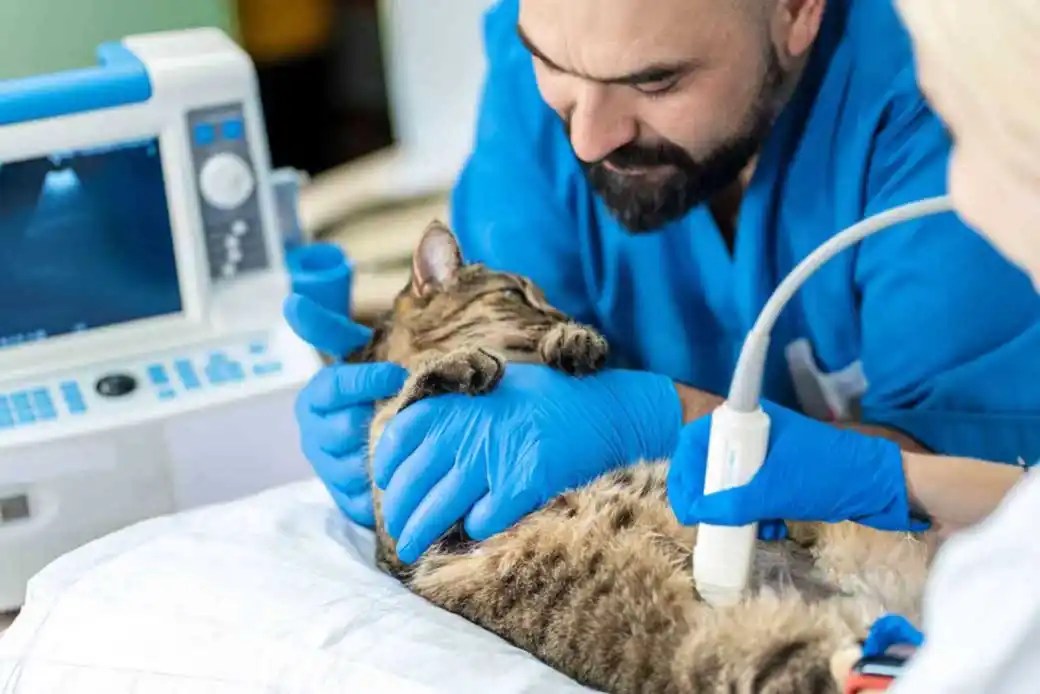
What Are the Expenses Connected With Early Cancer Cells Detection?
The expenses linked with early cancer detection can vary significantly, including diagnostic examinations, appointments, and possible treatments - Pet Cancer Surgery. Purchasing these services often leads to far better health and wellness results, ultimately reducing a lot more substantial future medical expensesCan Injections Stop Cancer Cells in Family Pets?
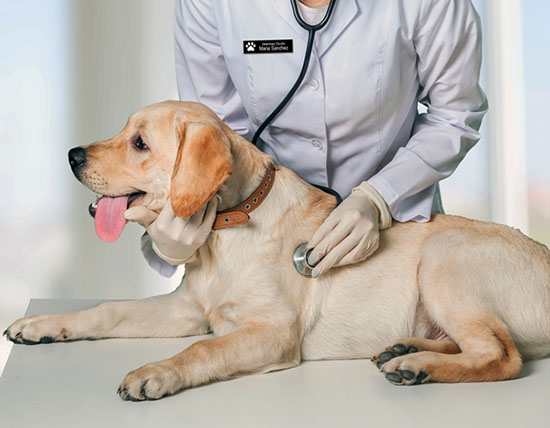

Vaccinations might decrease the threat of specific cancers in family pets, especially those linked to viral infections. Nonetheless, their efficiency varies, and pet Board Certified Veterinary Oncologist dog owners ought to consult vets for tailored advice pertaining to vaccination and cancer avoidance techniques.
Exactly How Usually Should Pets Be Screened for Cancer?
Pets ought to generally be evaluated for cancer cells each year, especially as they mature or if they show danger aspects. Regular veterinary exams can help determine possible issues early, improving therapy end results and overall health and wellness monitoring.Early discovery of cancer in family pets is a crucial topic for animal proprietors and vet professionals alike. Early indicators can be subtle, making it crucial for family pet proprietors to be observant of their pets' behaviors and physical problem. Vet oncologists play a vital function in the very early discovery of cancer cells in pet dogs, as their specialized training equips them with the skills required to determine subtle signs that might be ignored by general practitioners. By preserving a close monitoring of their family pets' wellness and actions, proprietors can play an essential function in early detection, potentially leading to better outcomes should cancer cells be identified. Early detection of cancer in animals plays an essential role in determining treatment end results, as it often enables for a bigger variety of restorative options.
Report this wiki page